How Air Conditioning Works
Understanding Air Conditioning Mechanism
When it comes to the functionality of your air conditioning system, it operates on a straightforward yet efficient process. Here’s a breakdown of how it works:
1. Components of a Central Cooling System:
-
-
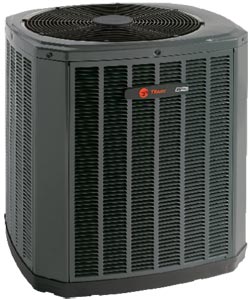
- Outdoor Unit: This includes a condenser coil and compressor.
- Indoor Unit: Comprises an evaporator coil installed with your furnace or air handler.
-
2. Operation Process:
-
-
- The compressor, a vital component, circulates a refrigerant chemical throughout the system.
-
3. Heat Transfer:
-
-
- Warm air inside your home is blown over the indoor evaporator coil.
- The heat energy from the air transfers to the refrigerant within the coil, akin to a sponge absorbing heat.
- Consequently, the air becomes cooler and is recirculated throughout your home to provide comfort.
-
4. Heat Release and Reiteration:
-
-
- The refrigerant carrying absorbed heat is pumped back to the compressor.
- The absorbed heat is released, and the cycle repeats.
-
5. Moisture Control:
-
-
- Simultaneously, moisture contributing to humidity is condensed out of the air.
-
6. Shared Ductwork:
-
-
- Central heating and cooling systems are often combined, sharing the same ductwork for distributing conditioned air throughout your home.
-
Facts
- The prevalent central air conditioning system is a split system with both outdoor and indoor components.
- Powered by electricity, the compressor gathers heat and moisture from indoors, removing it from the home.
- Warm indoor air is blown over the cooled indoor coil, transferring its heat to the refrigerant and cooling the air.
- The absorbed heat is expelled to the exterior, while the cooled air is recirculated indoors to maintain a comfortable temperature.
- Central air conditioning can be delivered through a package unit or a heat pump for comprehensive climate control.